Why Ferrite Material Selection Matters
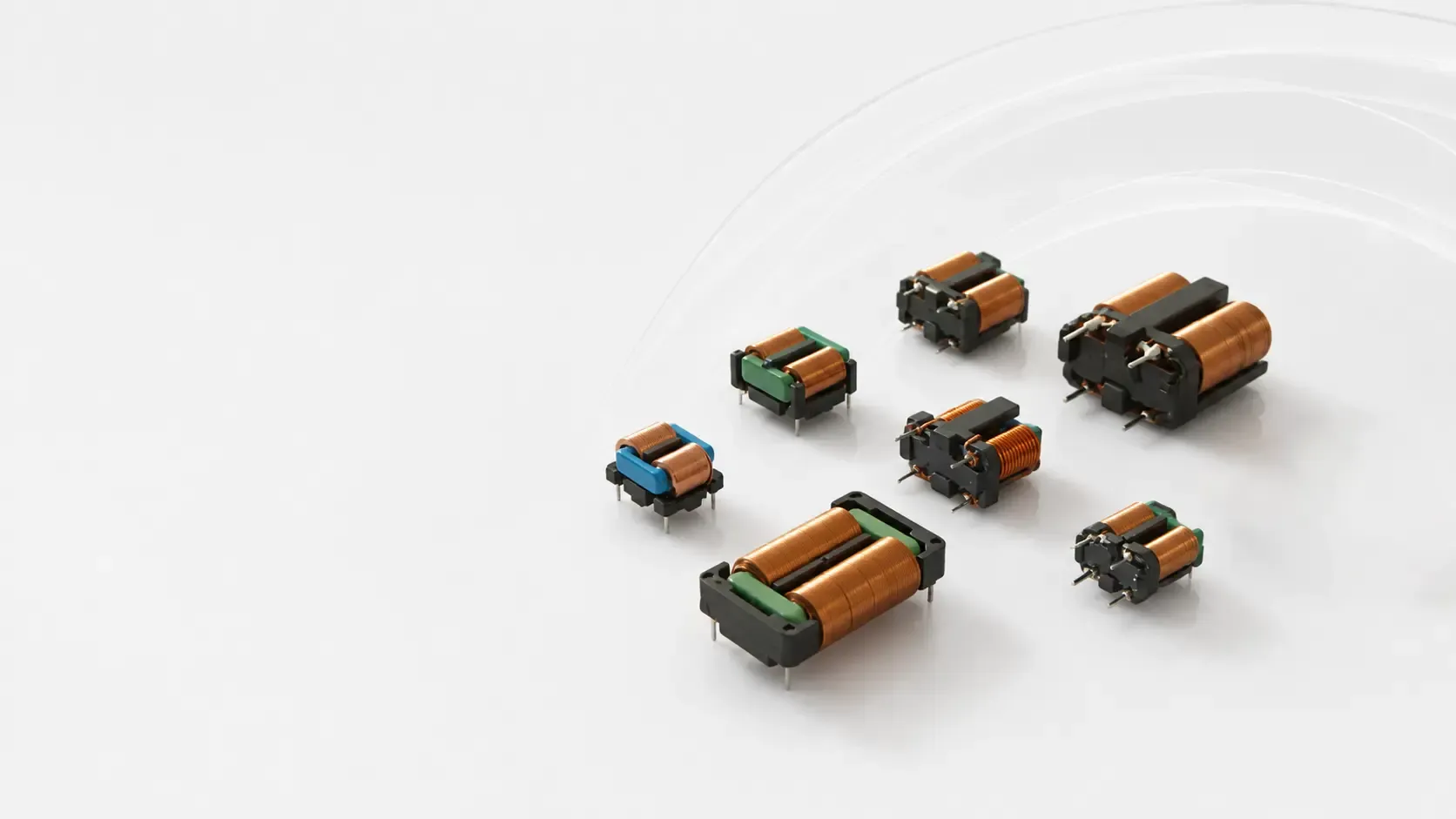
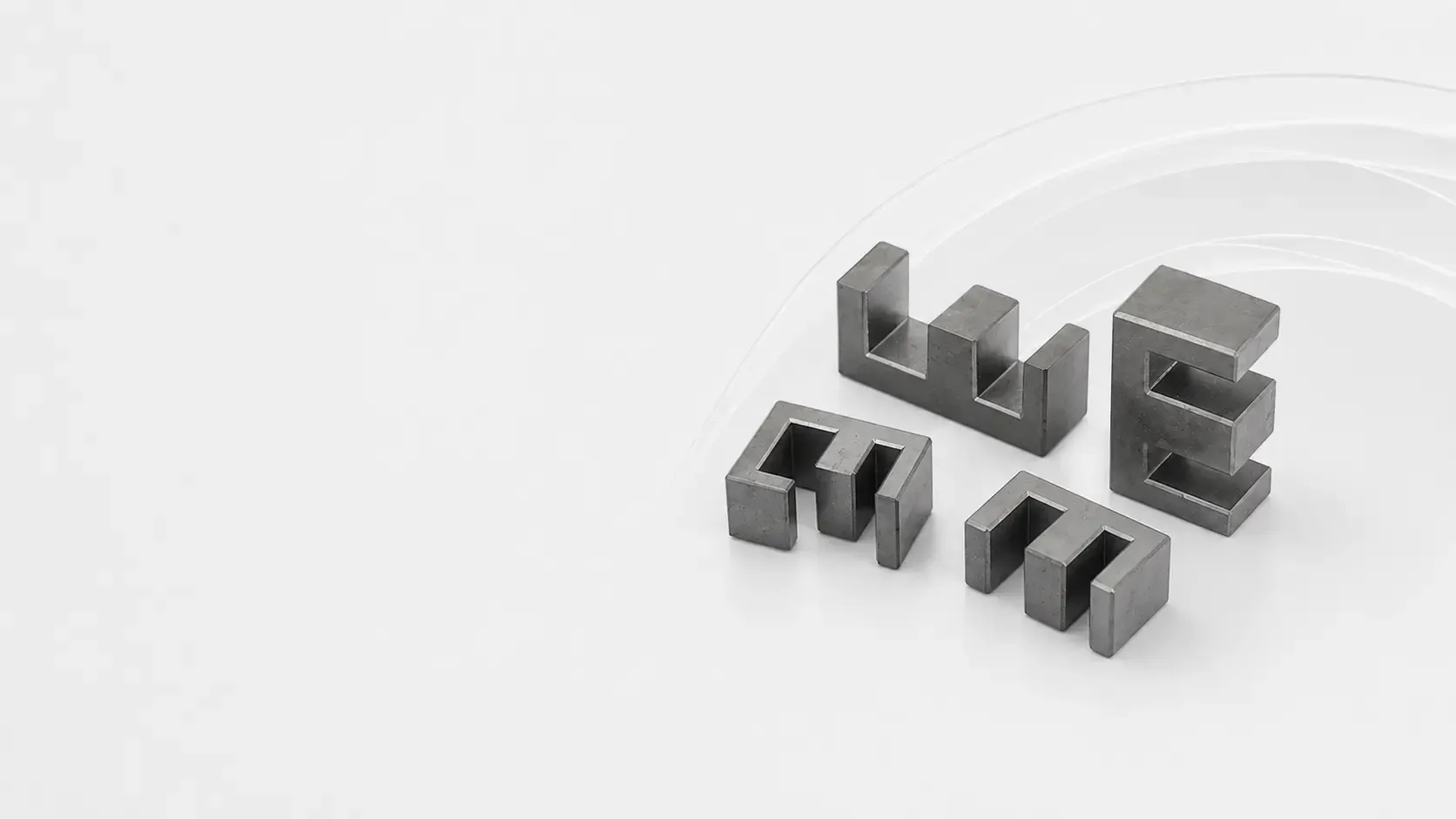
A soft ferrite core provides the magnetic path inside transformers, inductors, and common mode chokes.
Core geometry determines the winding space and magnetic path, while the material influences:
- Permeability
- Electrical resistivity
- Core loss
- Saturation behavior
- Temperature performance
- Suitable frequency range
Selecting the correct ferrite material requires more than choosing a core shape.
What Is MnZn Ferrite?
MnZn ferrite is a manganese-zinc ceramic magnetic material commonly used in power-conversion and filtering applications.
Its relatively high permeability makes it useful for:
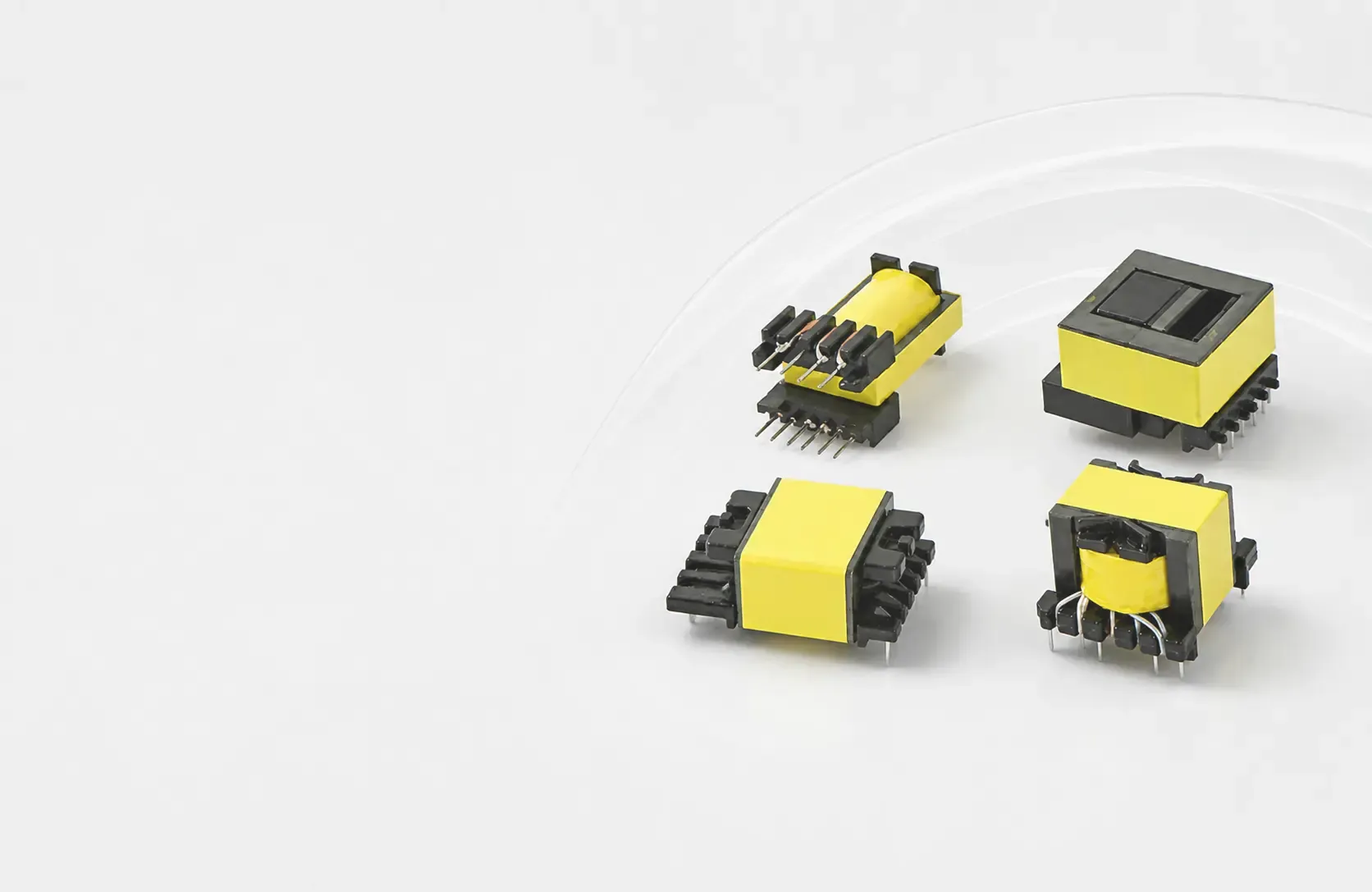
- High-frequency transformers
- Power inductors
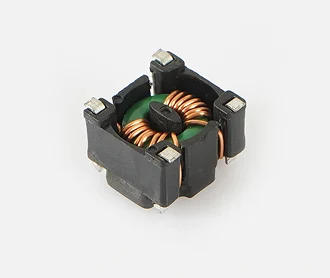
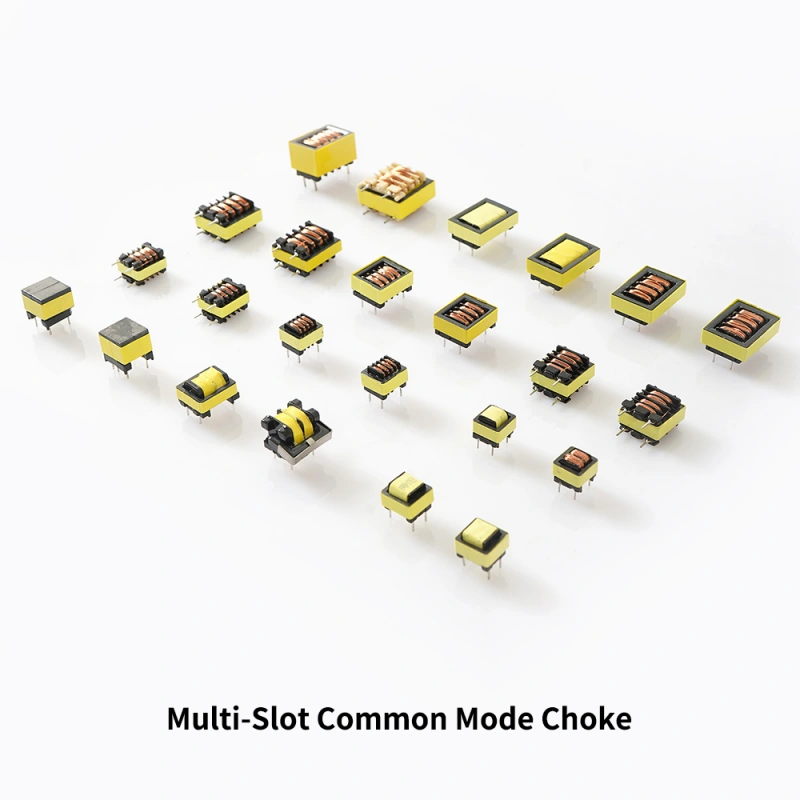
- Common mode chokes
- Power-line filters
- Switching power supplies
MnZn ferrite has lower electrical resistivity than NiZn ferrite. Eddy-current and insulation considerations therefore become increasingly important as frequency rises.
What Is NiZn Ferrite?
NiZn ferrite is a nickel-zinc magnetic material with higher electrical resistivity.
It is often used for:
- Higher-frequency EMI suppression
- Ferrite beads
- Broadband filtering
- Communication applications
- Antenna-related components
- Cable noise suppression
NiZn generally has lower permeability than high-permeability MnZn grades. Designers must balance permeability, impedance, winding turns, frequency, and component size.
MnZn and NiZn Comparison
| Selection Factor | MnZn Ferrite | NiZn Ferrite |
|---|---|---|
| Permeability | Often higher | Often lower |
| Electrical resistivity | Lower | Higher |
| Main design focus | Power conversion and filtering | Higher-frequency EMI suppression |
| Common products | Transformers, inductors and chokes | EMI cores, beads and broadband parts |
| Frequency suitability | Grade dependent | Grade dependent |
| Final selection | Based on loss and permeability curves | Based on impedance and material curves |
Questions to Ask Before Selecting a Material
What Is the Operating Frequency?
Use the actual switching or interference spectrum, including harmonics. A material that performs well at one frequency may generate excessive loss or insufficient impedance at another.
Is the Component Storing Energy?
Transformers and energy-storage inductors require calculations involving flux density, core loss, air gap, bias, and temperature.
EMI suppression components are more often evaluated using impedance-versus-frequency performance.
What Permeability Is Required?
Higher permeability can reduce the number of winding turns, but it may also affect tolerance, resonance, parasitic capacitance, and bias performance.
Higher permeability is not automatically better.
What Are the Thermal Conditions?
Core loss and copper loss combine to produce temperature rise. Ambient temperature, airflow, enclosure design, duty cycle, and nearby components must also be considered.
Which Core Shape Is Required?
EE, ER, PQ, EC, toroidal, and other core geometries provide different winding windows, profiles, magnetic areas, and mounting options.
Material and core geometry should be selected together.
Information to Provide a Ferrite Core Supplier
Include:
- Application and circuit topology
- Switching or operating frequency
- Input and output voltage
- Power level
- Flux-density requirement
- Target inductance
- Air-gap requirement
- Operating temperature
- Maximum dimensions
- Required core shape
- Estimated production quantity
Frequently Asked Questions
Can MnZn and NiZn cores of the same size be treated as equivalent?
No. Their permeability, resistivity, loss, impedance, temperature behavior, and suitable operating frequencies may differ.
Can ferrite material be identified by color?
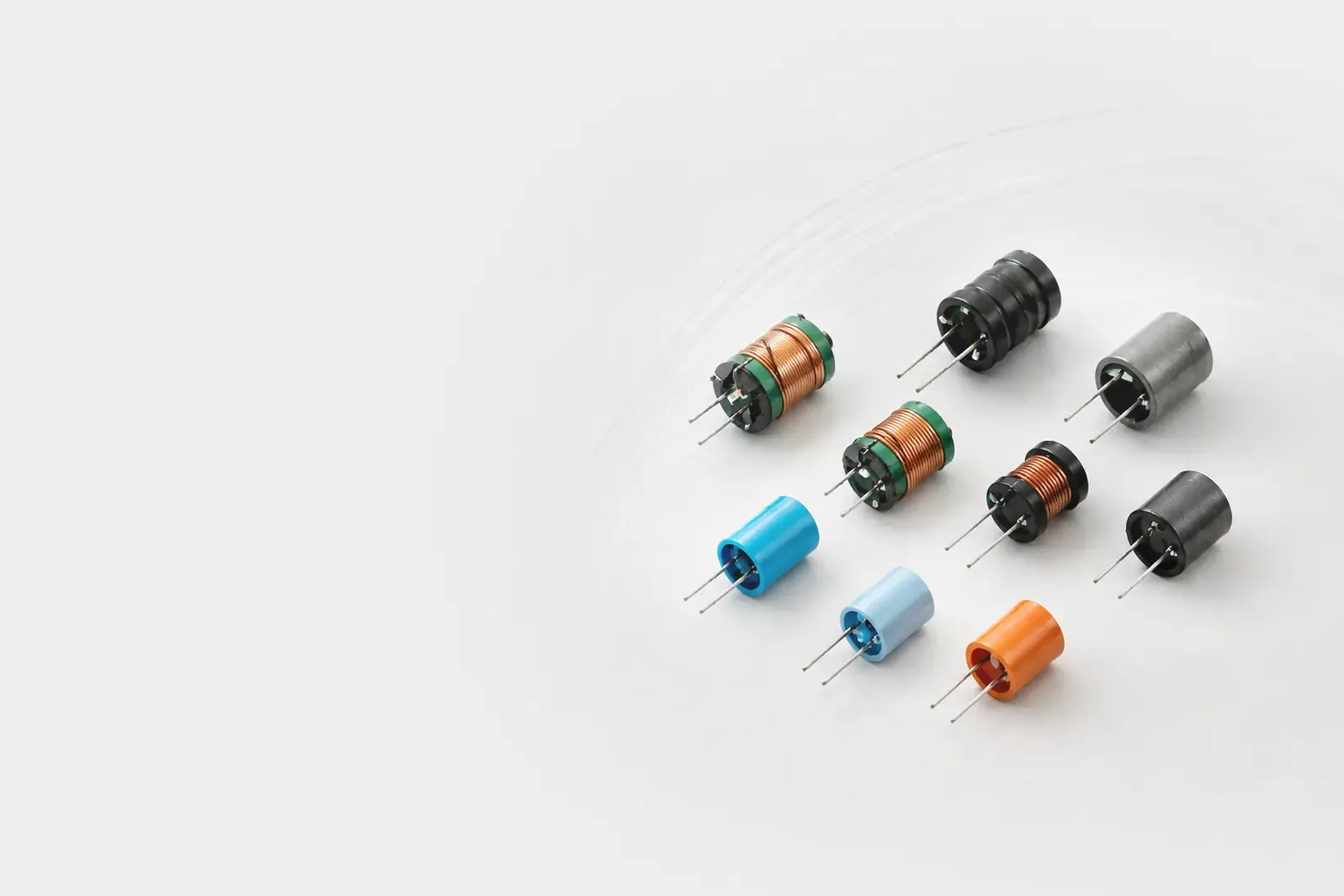
No. Appearance is not a reliable method of identifying a ferrite grade. Always confirm the material specification with the supplier.
What technical information should be requested?
Request the material grade, dimensional tolerances, permeability, core-loss curves, saturation characteristics, temperature data, and applicable compliance documents.