How a Common Mode Choke Controls EMI
A common mode choke suppresses high-frequency interference traveling in the same direction through two conductors. During normal differential-mode operation, the magnetic flux generated by the two windings largely cancels. This allows the intended current to pass with relatively low impedance.
Common-mode noise produces magnetic flux in the same direction. The resulting impedance helps reduce unwanted interference before it reaches other circuits, cables, or connected equipment.
Common mode chokes are widely used in power supplies, chargers, photovoltaic inverters, industrial controls, communication equipment, household appliances, and automotive electronics.
Key Parameters for Selecting a Common Mode Choke
Rated Current
The winding must carry the maximum continuous and transient current without excessive copper loss or temperature rise.
Rated current should be evaluated together with:
- Wire diameter
- DC resistance
- Ambient temperature
- Airflow
- Duty cycle
- Nearby heat sources
- Permitted temperature rise
Additional derating may be necessary in enclosed or high-temperature equipment.
Common Mode Impedance
Inductance measured at a low test frequency does not describe the complete filtering performance.
Review the impedance-versus-frequency curve near the frequencies causing the EMI problem. Parasitic capacitance and core loss can reduce impedance after the component approaches its self-resonant region.
Inductance and Test Conditions
Inductance values should only be compared when the following conditions are known:
- Test frequency
- Test voltage
- Temperature
- Winding connection
- Measurement tolerance
A tolerance of ±20% may be suitable for many filtering applications, but the acceptable range should be verified in the complete circuit.
DC Resistance
Lower DCR helps reduce power loss, voltage drop, and winding temperature. However, increasing the wire diameter may increase component size and winding capacitance.
A suitable EMI filter inductor should balance resistance, current capability, component size, and high-frequency impedance.
Core Material
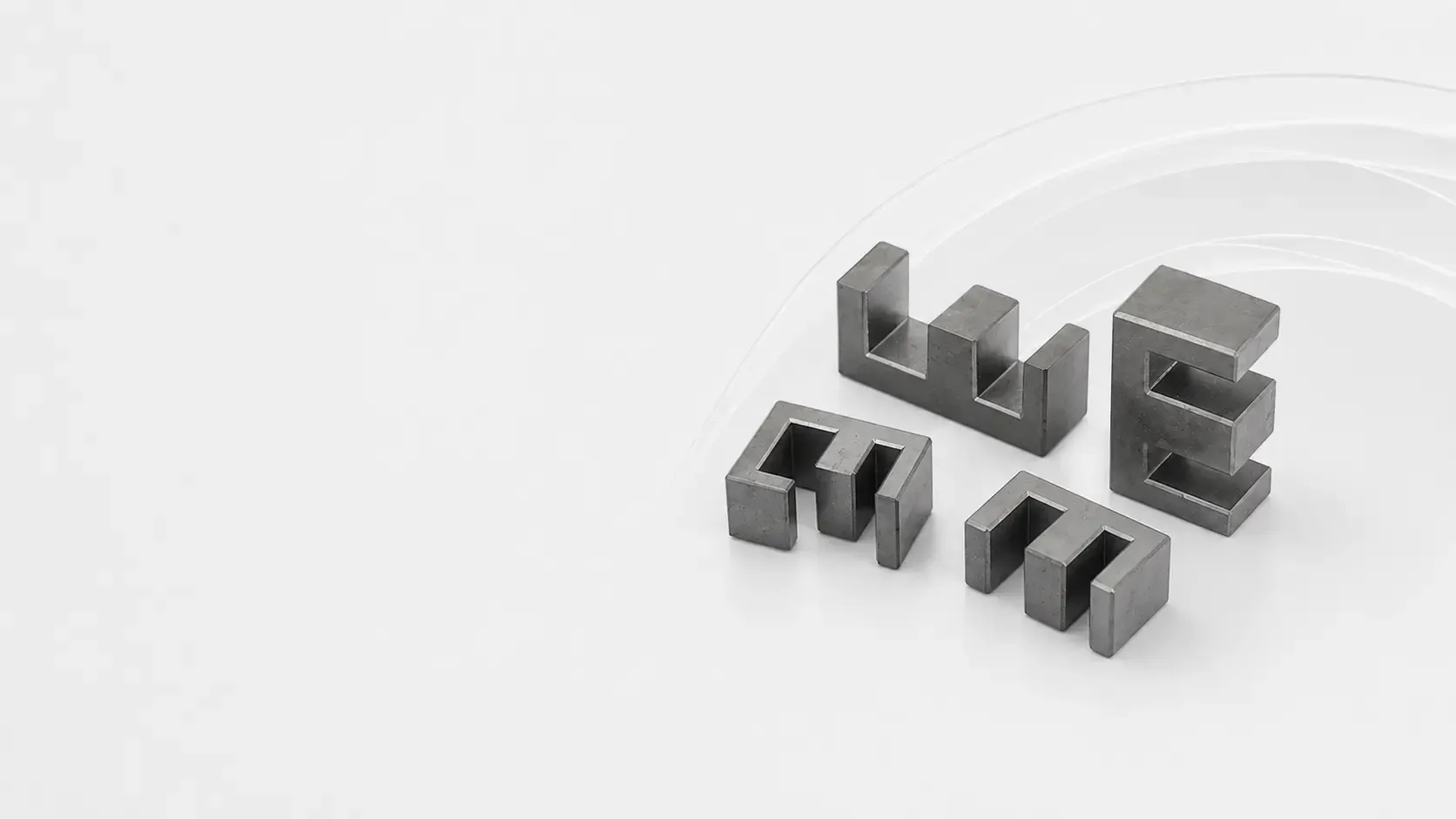
MnZn ferrite is commonly used when high permeability is needed for power-line filtering and lower-frequency interference suppression.
NiZn ferrite generally offers higher electrical resistivity and may be suitable for higher-frequency EMI suppression.
The final material should be selected according to frequency, temperature, magnetic flux, core geometry, and winding structure.
Package and Mounting Options
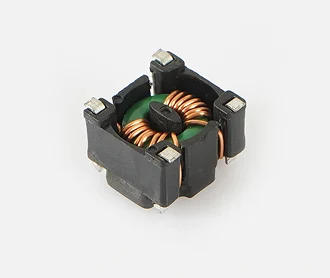
SMD common mode chokes are suitable for compact PCB layouts and automated production.
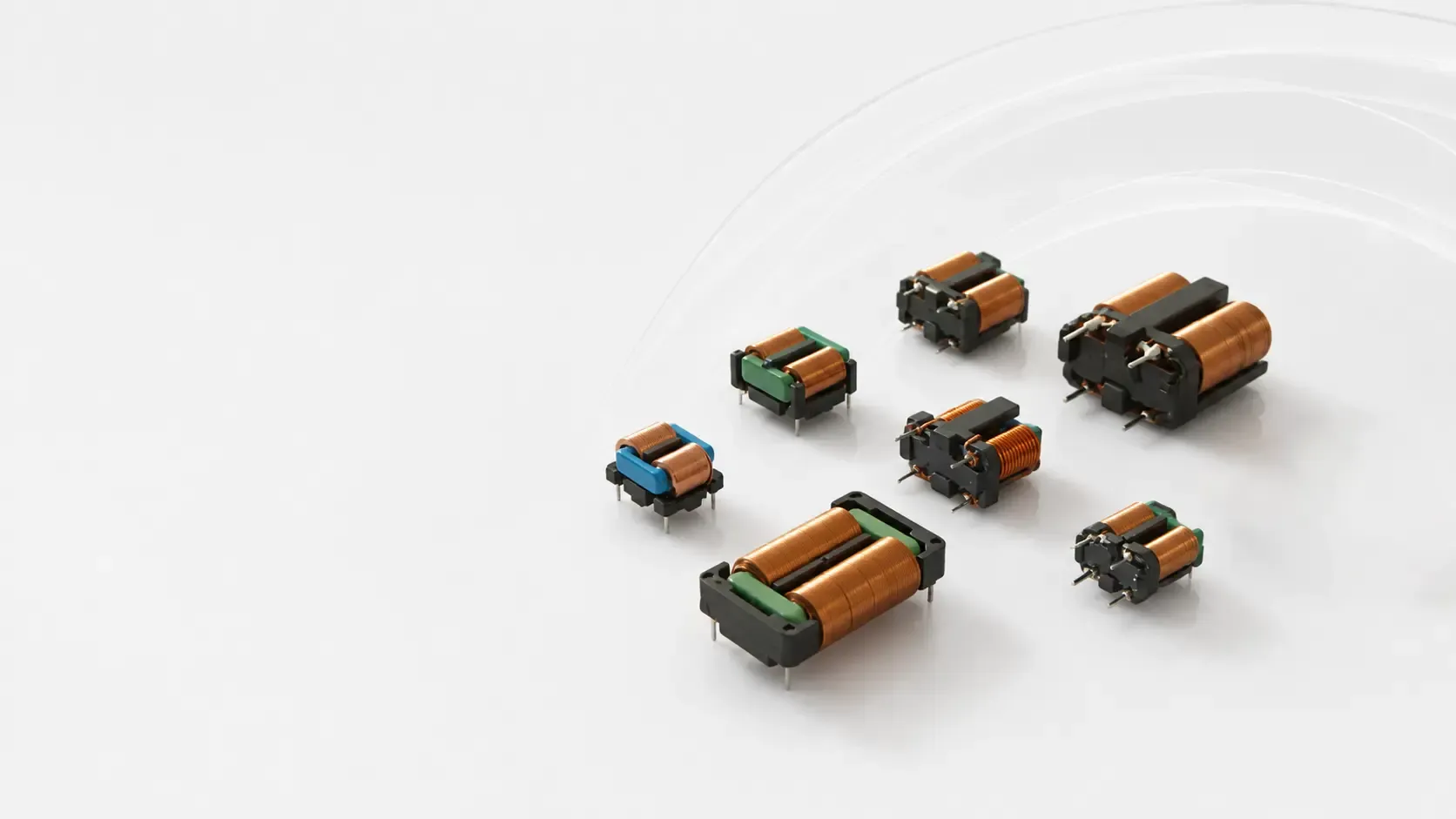
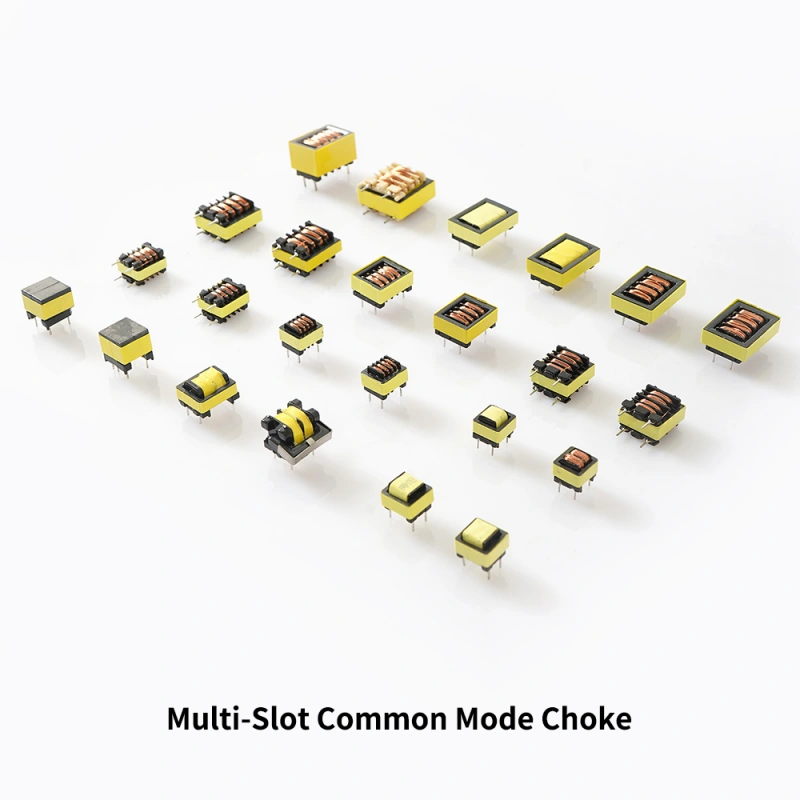
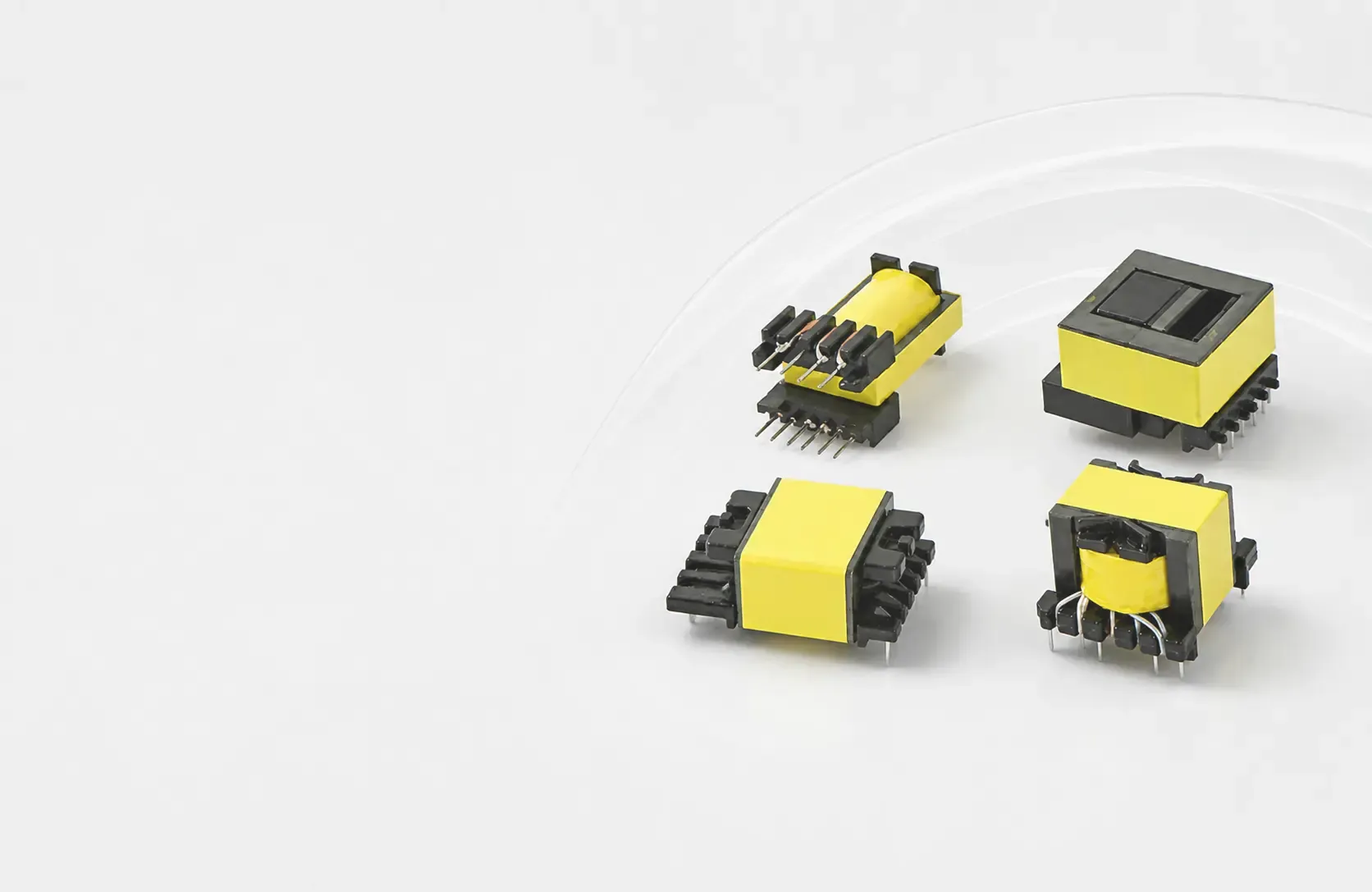
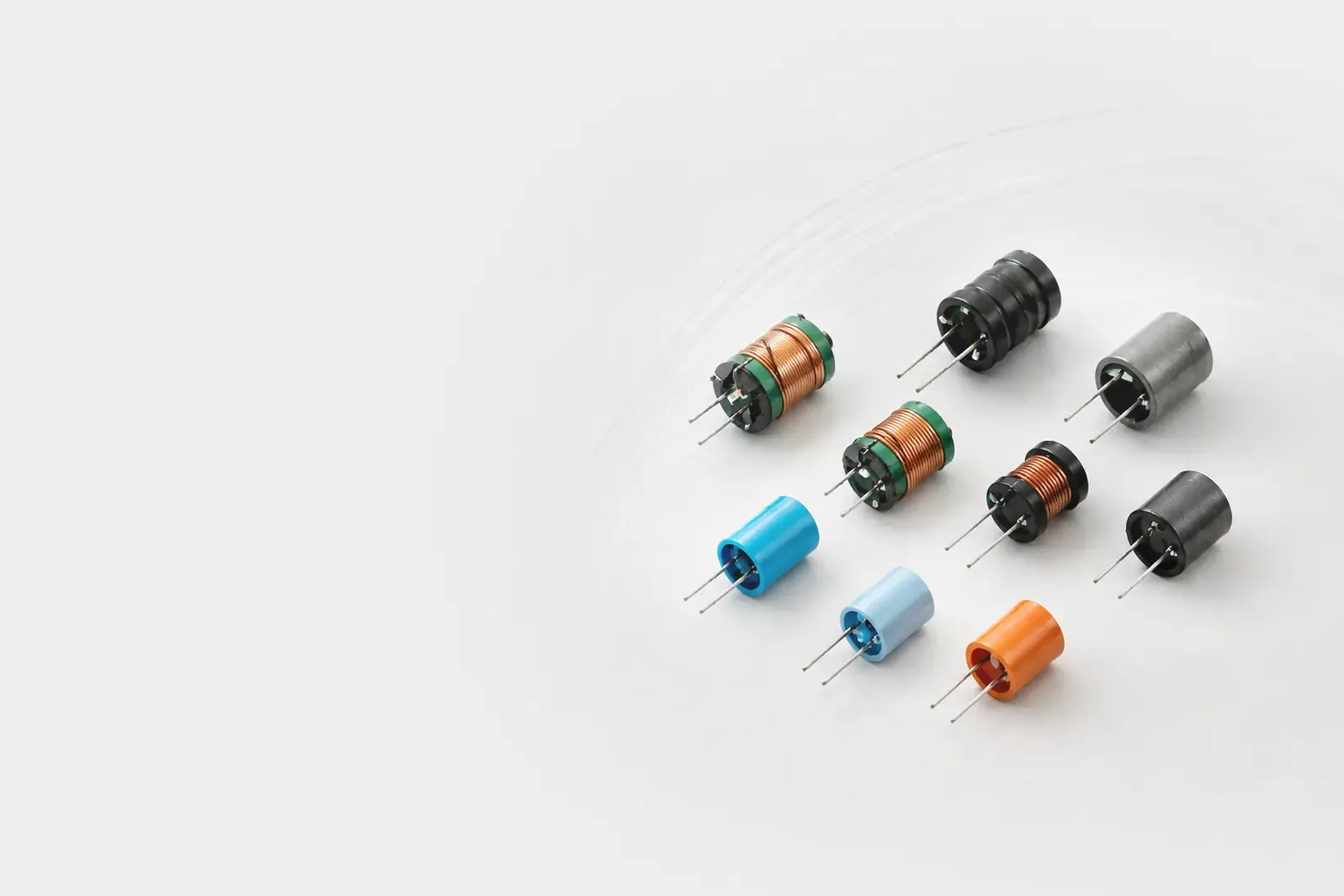
Toroidal and square through-hole chokes offer greater flexibility in core size, wire diameter, number of turns, pin spacing, and insulation construction.
Flat-wire common mode chokes are often considered for higher-current power electronics where lower winding resistance and efficient use of space are important.
RFQ Information to Provide
To receive an accurate product recommendation, provide:
- Application and circuit position
- Input and operating voltage
- Maximum continuous and peak current
- Target noise-frequency range
- Required inductance and test frequency
- Maximum DCR
- Operating temperature
- Maximum dimensions
- Pin spacing and PCB layout
- Insulation requirements
- Prototype and estimated production quantities
Validate the Complete EMI Filter
A common mode choke should not be evaluated as an isolated component. Final EMI performance also depends on capacitors, grounding, cable routing, enclosure design, PCB layout, source impedance, and load conditions.
Conducted-emission and temperature-rise testing should be completed in the intended equipment under worst-case operating conditions.
Frequently Asked Questions
Is higher inductance always better?
No. Higher inductance may improve impedance within part of the frequency spectrum, but parasitic capacitance, DCR, core loss, saturation behavior, and self-resonance also affect performance.
Can an existing choke be replaced by matching inductance?
Not necessarily. Current, DCR, impedance curve, insulation, dimensions, pin layout, temperature rise, and operating frequency must also be compared.
Can Commonde manufacture customized common mode chokes?
Commonde can discuss SMD, toroidal, square, flat-wire, and other common mode choke configurations based on confirmed electrical and mechanical requirements.