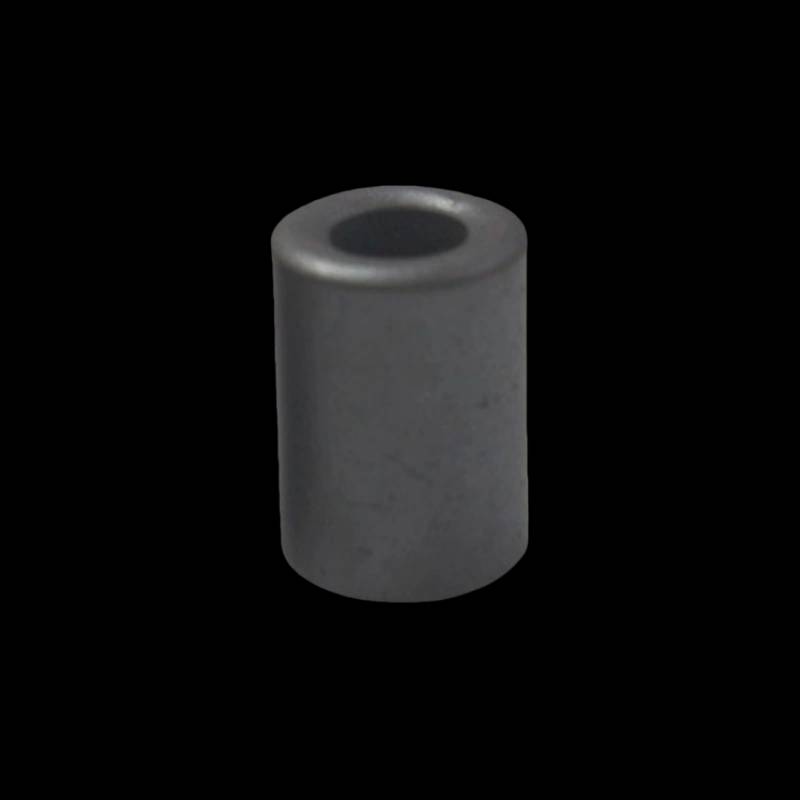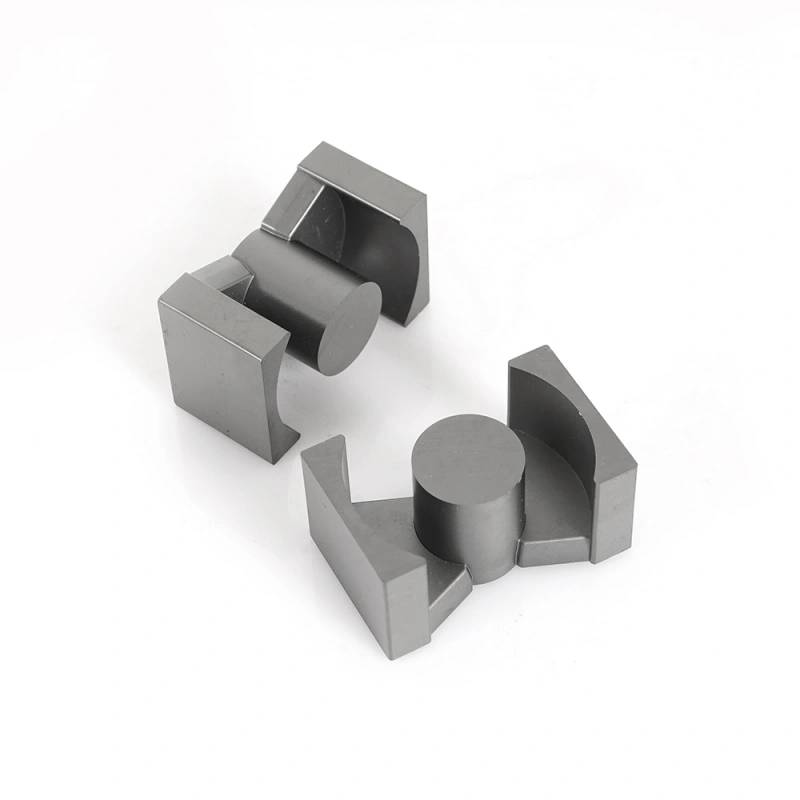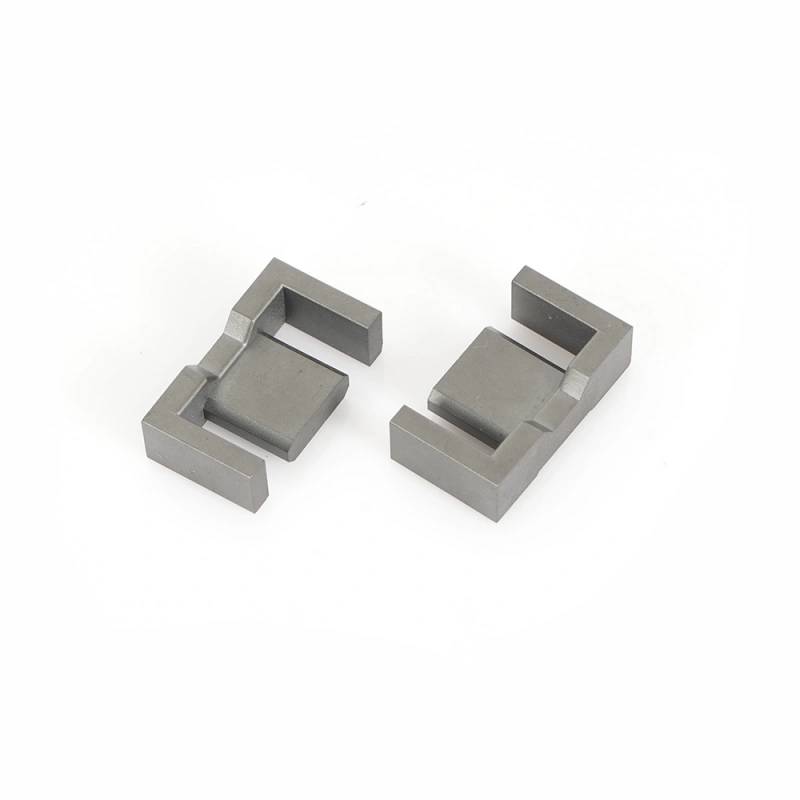
ED EDR Core-ED2622 Overview
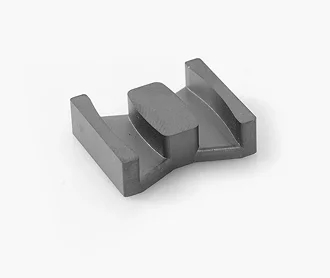
The ED EDR Core-ED2622 is a compact machined metal component designed for assembly, locating, spacing, or retention tasks where a small, rigid interface part is needed. In many industrial builds, the real problem is not the main machine body but the small connector or support piece that keeps alignment stable and parts seated correctly. This part appears suited to that role: a one-piece block with a raised center feature and an open U-shaped channel that can help guide, hold, or register another element in a fixture or machine assembly.
Based on the visible structure, the component is likely intended for mechanical systems that need dependable contact surfaces and repeatable positioning. While exact dimensions and material grade are not provided, the geometry suggests a purpose-made industrial part rather than a generic off-the-shelf shape.
Product Overview
ED EDR Core-ED2622 has a compact, block-like form with straight outer faces and a central raised rectangular boss. One end includes a channel or open slot formed by two side walls, creating a U-shaped profile that could interface with another part in a controlled way. This kind of geometry is common in jigs, fixtures, mounting subassemblies, and alignment hardware.
The surface appears dark gray with a matte or lightly oxidized finish. That visual appearance is consistent with a metal part that has undergone machining and possibly secondary finishing. Because the image alone does not confirm the exact process, the safest description is that it is likely made through CNC machining, milling, or a combined metal-forming and finishing workflow.
Key Visible Features and Functional Characteristics
Compact one-piece construction
The part appears to be manufactured as a single body, which can improve rigidity and simplify assembly. For buyers, fewer joined components often means fewer looseness issues, less handling during installation, and reduced risk of misalignment at the interface.
Raised center boss
The central protruding section may serve as a locating reference, load contact area, or mating feature. Raised bosses are often used when a part needs a defined contact point rather than a full-surface interface.
Open U-shaped channel
The open channel on one end suggests a capture, fit, or engagement function. In practice, this type of shape may help with part retention, sliding engagement, or fixture positioning during assembly operations.
Flat bearing surfaces
Several faces appear flat and well-defined, which is important for mounting, clamping, and repeatable seating. Flat surfaces are often critical in mechanical assemblies because they distribute force more evenly and reduce wobble or point loading.
Specifications and Capabilities
Because no exact dimensional data is supplied, the following should be treated as structural observations rather than guaranteed specifications:
- Small compact metal component
- Block-like body with symmetrical visual balance
- Central raised rectangular feature
- Open-ended channel or slot on one side
- Straight edges with some softened or chamfered transitions
- Matte dark gray surface appearance
From a functional standpoint, this type of geometry is typically used where the part must fit within a constrained assembly envelope while still providing a precise mechanical interface. It may be suitable for positioning, spacing, retaining, or support roles in equipment with moderate structural demands, though load capacity cannot be inferred from the image alone.
Materials and Finish Options
The visible finish suggests a metal base material, but the exact alloy is not identifiable from the photo. In industrial production, parts with this general appearance are often made from steel, stainless steel, aluminum, or other machinable metals, depending on the application requirements.
Possible finish directions for a part like ED EDR Core-ED2622 may include:
- Natural machined finish
- Deburred edges for safer handling
- Blackened or oxidized appearance
- Protective coating for corrosion resistance
- Surface treatment on critical bearing or locating faces
Finish selection usually depends on environment, friction needs, and whether the part is exposed to moisture, wear, or repeated handling. If the part is used in a fixture or machine enclosure, a darker surface finish may also help reduce visual glare and better match surrounding hardware.
Likely Manufacturing Process
The part’s shape is compatible with CNC machining, milling, or a similar subtractive process. The clear edges, controlled openings, and defined boss geometry indicate that critical faces may have been machined for accuracy. In some cases, a cast or sintered blank could be followed by secondary machining to refine the interfaces that matter most.
A typical production route for a component like this may include rough shaping, precision machining of the channel and flat surfaces, deburring, and finishing. If the application requires repeatability in an assembly line or fixture system, the manufacturing process would normally prioritize stable dimensions on the contact faces and consistent edge quality.
Application Scenarios
ED EDR Core-ED2622 is the kind of part that can fit into many industrial environments where a small custom interface is needed. Likely use cases include:
- Jig and fixture systems for assembly or inspection
- Machine mounting or locating subassemblies
- Spacing or alignment blocks in mechanical builds
- Retention or stop features in equipment frames
- Custom clamps, holders, or bracket systems
- General industrial machinery interfaces
Buyers in manufacturing, automation, maintenance, and equipment integration often need parts like this when standard hardware does not provide the exact geometry required. A small custom-shaped component can solve fit problems that would otherwise force redesigns of larger assemblies.
Quality Control Considerations
For parts of this type, quality control usually focuses on a few practical checkpoints rather than cosmetic perfection alone. Important checks often include flatness of bearing faces, consistency of the channel width, accuracy of the raised boss location, edge condition after deburring, and overall fit with the mating assembly.
Because exact tolerances are not supplied here, buyers should confirm the inspection requirements that matter most for their project. If the component is part of a locating system, dimensional repeatability will be more important than appearance. If it is exposed to contact wear, surface integrity and edge finish deserve closer attention.
Customization Guidance for Buyers
If you are sourcing a part like ED EDR Core-ED2622 for a production line or machine build, customization is usually where the real value comes in. Useful options may include changing overall dimensions, adjusting slot width, modifying the height of the central boss, adding holes or threaded features, changing material selection, or applying a different surface finish.
Before requesting a custom version, define the following points as clearly as possible:
- Mating part geometry and contact points
- Required clearances or interference limits
- Environmental conditions such as moisture, vibration, or heat
- Load direction and frequency of use
- Whether the part must be replaceable or serviceable in the field
Providing a drawing, sample, or annotated photo can help reduce iteration time. Even for small parts, a few millimeters of difference can affect alignment and assembly behavior, especially in fixture systems.
How to Evaluate Fit for Your Project
When deciding whether this component is appropriate, buyers should focus on function first. Ask whether the part needs to locate another piece, carry clamping force, guide motion, or simply provide a stable spacer or stop. The U-shaped opening and central boss suggest it may be more than a simple block, so the mating relationship matters.
It is also worth checking how the part will be installed. If the assembly requires a precise orientation, confirm the orientation features in your drawing. If repeated removal is expected, edge robustness and surface wear behavior become more important. If it will sit inside a broader mechanism, make sure the shape does not interfere with neighboring fasteners or moving components.
Why This Type of Part Matters in Industrial Design
Small structural components often determine whether a machine feels precise or sloppy. A bracket, insert, spacer, or fixture element may be physically small, but it can control alignment, spacing, and repeatability across an entire assembly. Parts like ED EDR Core-ED2622 are valuable because they turn a general design into a practical, buildable system.
For engineers and procurement teams, that means less time compensating for fit issues and less risk of downstream assembly problems. For maintenance teams, it can mean easier replacement and fewer custom workarounds in the field.
Request a Quote or Custom Build
If you need a compact metal component with this type of geometry, ED EDR Core-ED2622 can serve as a reference part for your sourcing or customization discussion. Share your required dimensions, mating part details, material preference, and finish needs so the design can be matched to your assembly conditions.
Send your drawing or sample requirements to start a quote, verify manufacturability, and confirm the best production method for your application.