Magnetic Functions Inside a Photovoltaic Inverter
A photovoltaic inverter converts variable DC power from solar panels into controlled AC power.
Depending on the inverter architecture, magnetic components may support:
- DC input filtering
- Boost conversion
- Galvanic isolation
- Auxiliary power
- Gate-drive power
- Output current filtering
- Conducted-EMI suppression
Each circuit position creates different voltage, current, frequency, thermal, insulation, and mechanical requirements.
Common Mode Chokes for EMI Control
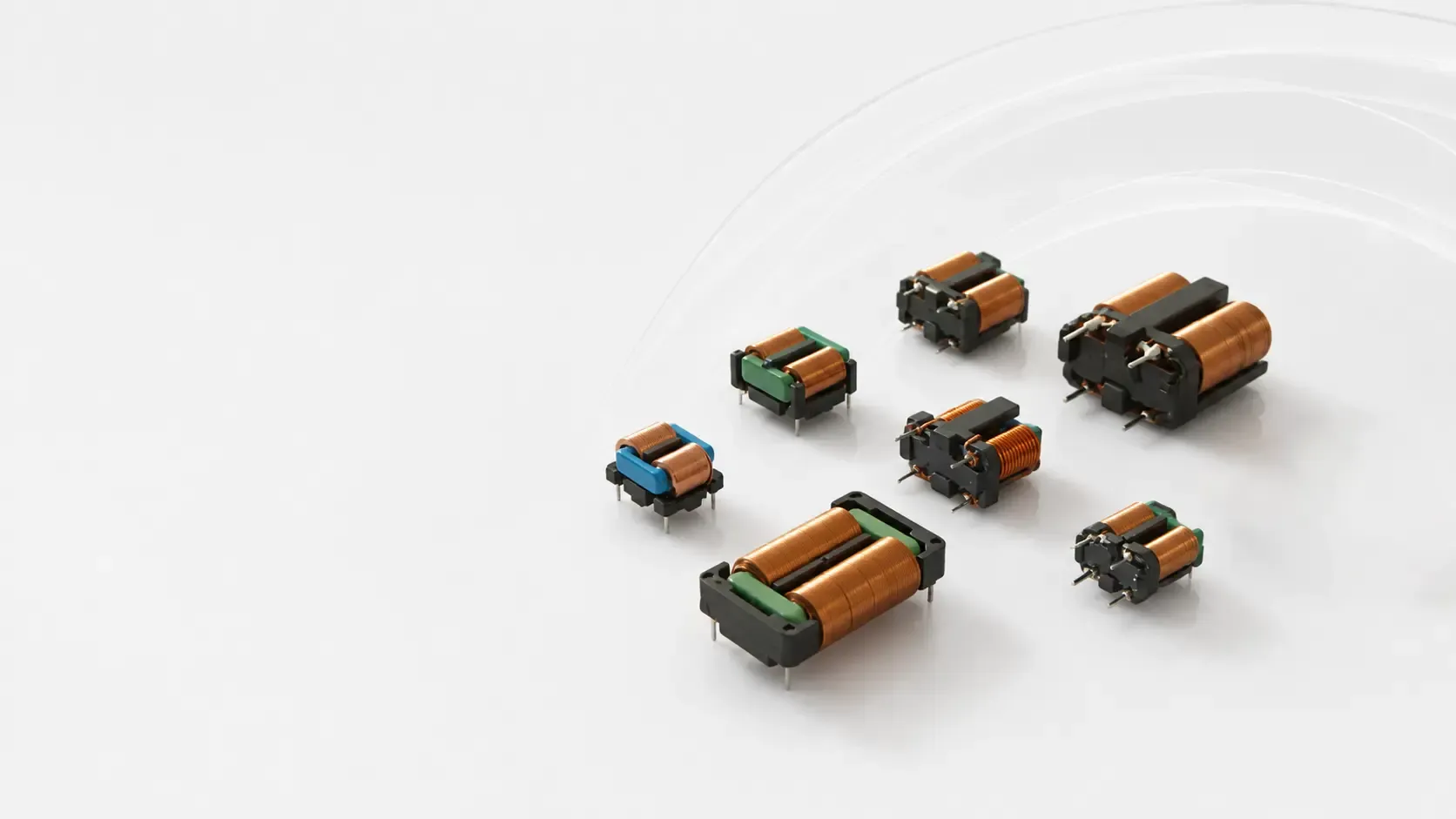
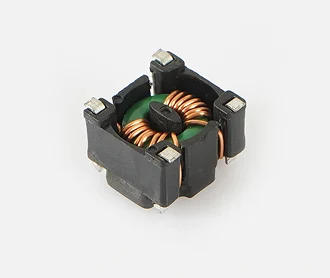
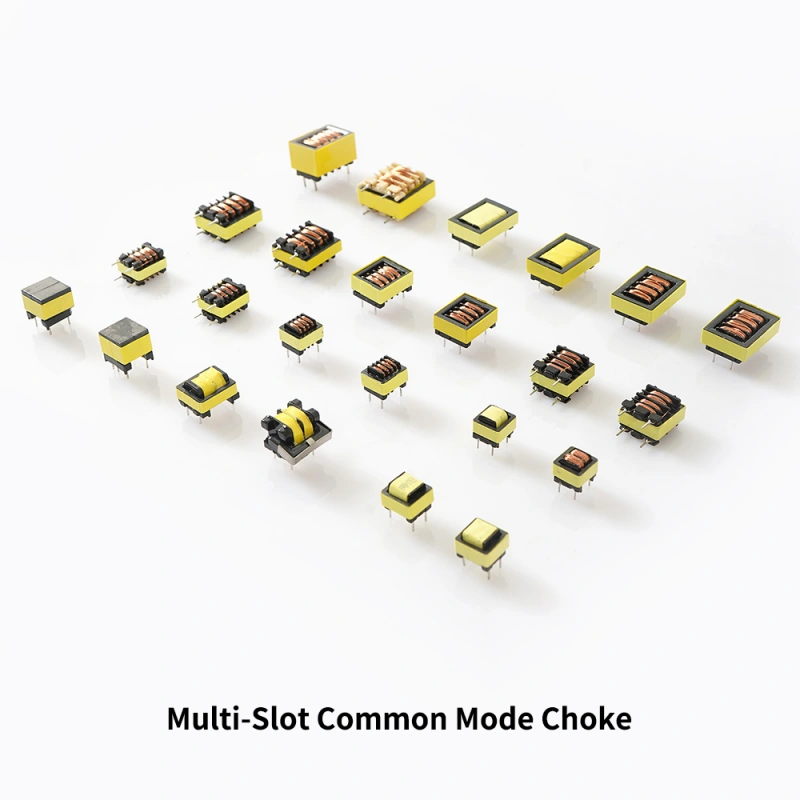
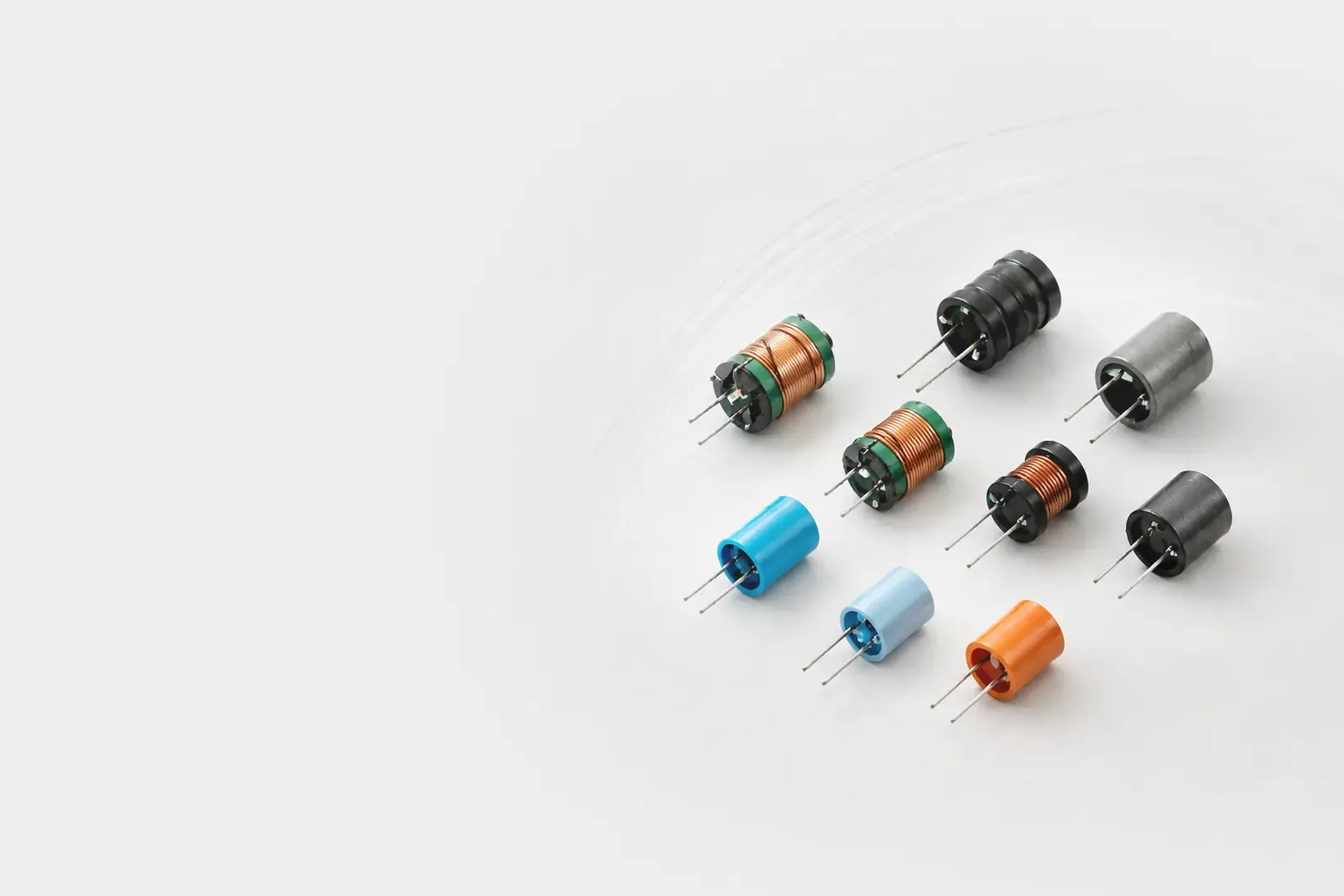
An inverter common mode choke helps attenuate noise traveling in the same direction through paired conductors.
It may be used at DC or AC interfaces as part of a coordinated EMI filter.
Important selection parameters include:
- Common mode impedance
- Target noise-frequency range
- Rated current
- DCR
- Insulation spacing
- Temperature rise
- Core material
- Dimensions
The capacitors, grounding, cables, enclosure, and PCB layout must be evaluated together with the choke.
Power Inductors for Energy Storage
An inverter power inductor may store energy in a boost stage or smooth current in an output filter.
Important parameters include:
- Inductance under DC bias
- RMS and peak current
- Ripple current
- Switching frequency
- Core loss
- Copper loss
- Saturation margin
- Acoustic performance
- Temperature rise
FeSiAl and other powder-core toroidal inductors may be considered when distributed-gap behavior and DC-bias performance are important.
High-Frequency Transformers
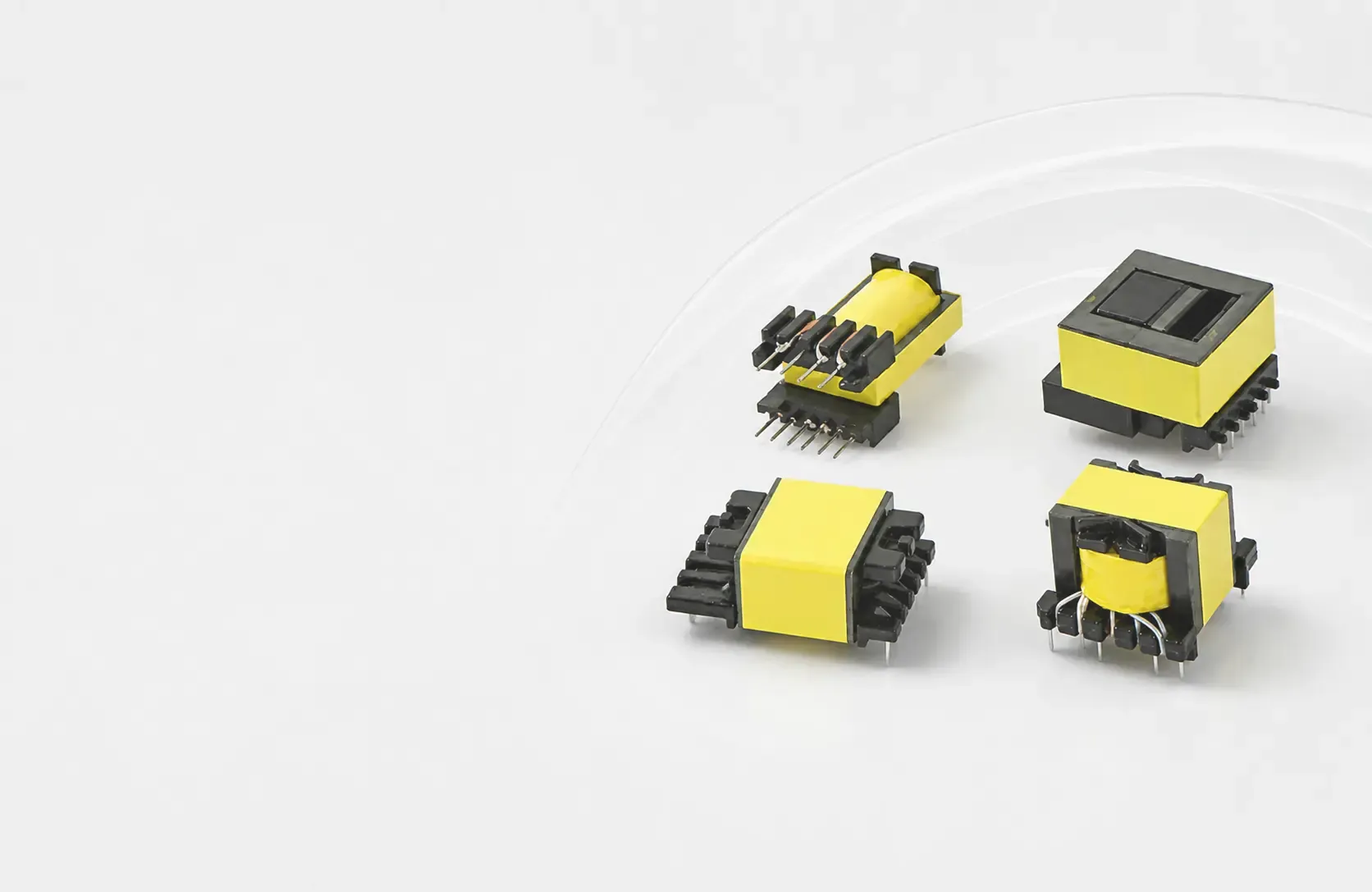
Where isolation or voltage transformation is required, a high-frequency transformer must meet:
- Turns ratio
- Power level
- Switching frequency
- Flux-density limit
- Leakage-inductance target
- Interwinding-capacitance target
- Creepage and clearance
- Dielectric strength
- Temperature requirements
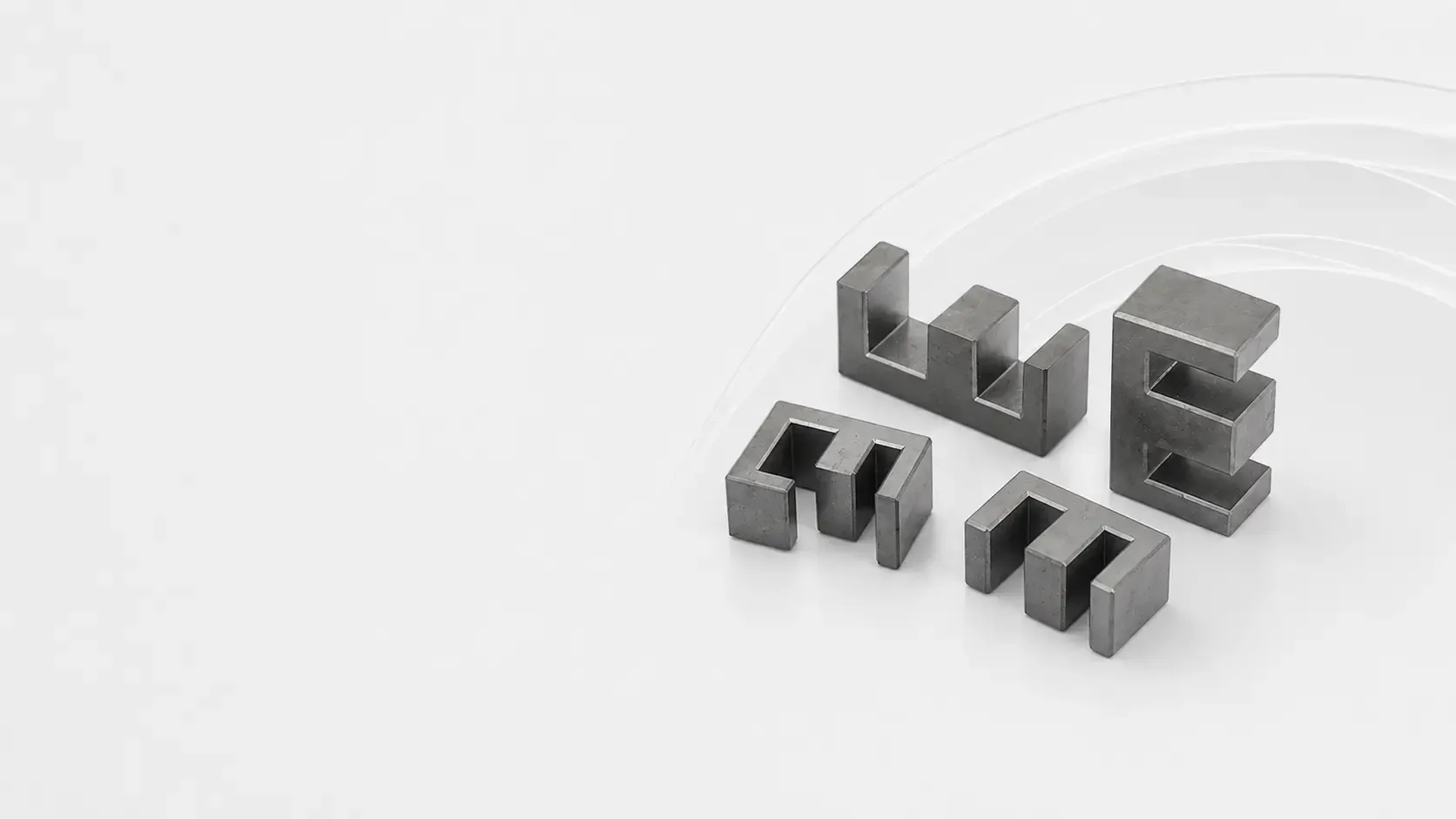
EE, ER, PQ, EC, and related ferrite core shapes provide different balances of profile, winding space, and power density.
Design Priorities for Solar Equipment
Photovoltaic inverter magnetics may need to support:
- Wide temperature ranges
- High continuous current
- Surge conditions
- Long operating life
- Stable insulation
- High efficiency
- Mechanical transport loads
- Outdoor enclosure conditions
- Traceable production testing
Information to Include in an RFQ
Provide:
- Circuit position
- Converter topology
- Input and output voltage
- Switching frequency
- Power
- Current waveform
- Inductance or turns ratio
- Isolation requirements
- Maximum temperature
- Component dimensions
- PCB interface
- Prototype quantity
- Annual forecast
Frequently Asked Questions
Which component controls inverter output ripple?
A power inductor or output-filter inductor commonly performs this function. The exact component depends on the inverter topology.
Can one choke solve every inverter EMI problem?
No. EMI performance also depends on capacitors, grounding, shielding, cable routing, source impedance, load impedance, and PCB layout.
Why is temperature testing important?
Core and copper losses vary with frequency, current, flux, and temperature. Outdoor enclosures may create operating conditions that differ significantly from room-temperature datasheet measurements.