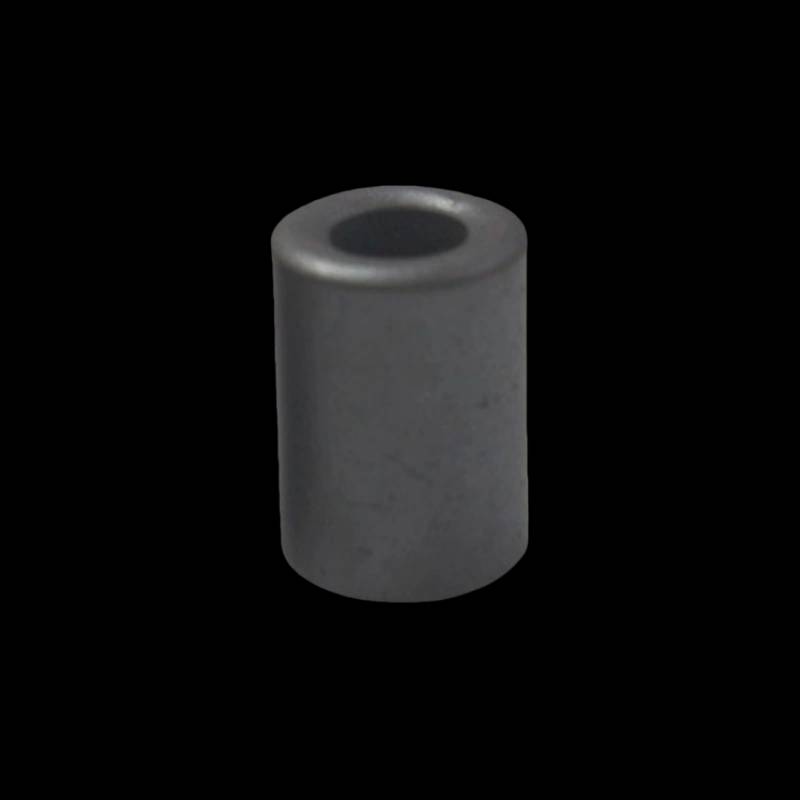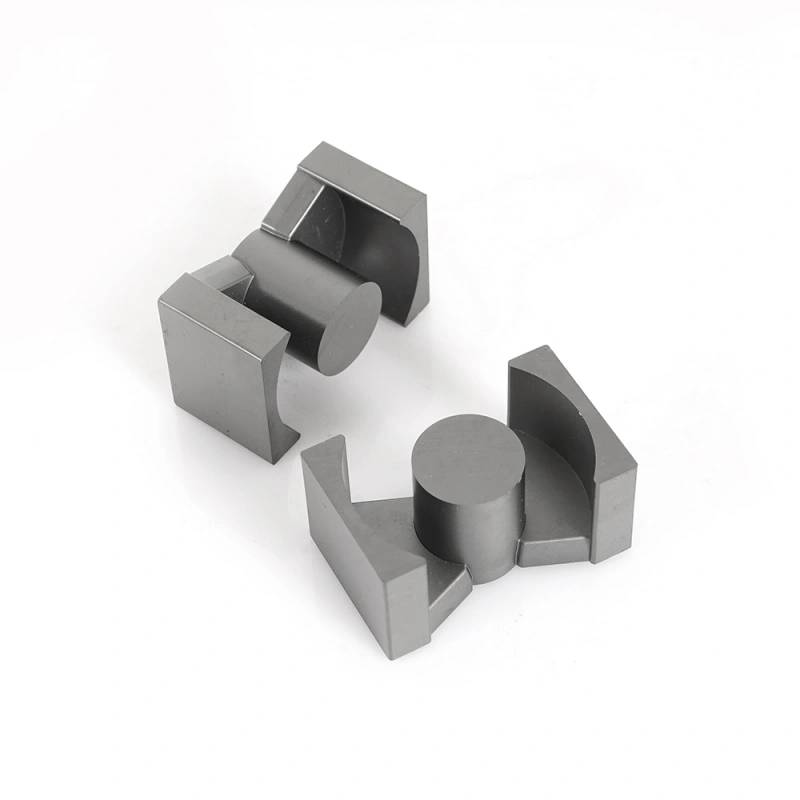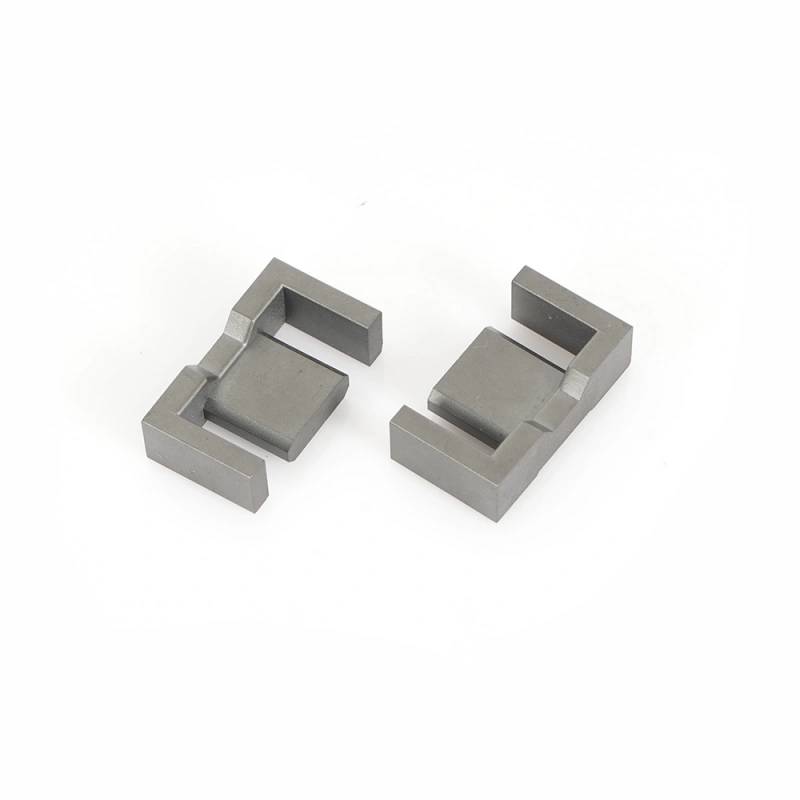
ED EDR Core-EDR411 Overview
ED EDR Core-EDR411 is a machined metal clamp or fixture component designed to hold, locate, or support a rounded workpiece in a controlled setup. For buyers building jigs, machine fixtures, inspection stations, or assembly tools, the main problem is often the same: how to keep a part aligned and stable without introducing slip, chatter, or inconsistent positioning. This type of component addresses that need by providing a rigid central channel and a compact body that can be integrated into a larger tooling system.
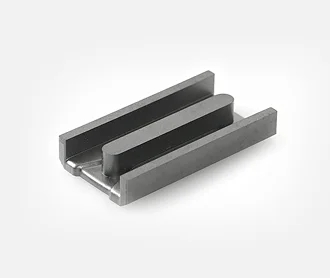
Because the visible form is clearly shaped for guidance and support, ED EDR Core-EDR411 fits industrial environments where repeatable placement matters. The part appears to combine an elongated body, parallel side walls, and a machined groove that can interface with cylindrical or rounded components. Exact dimensions, grade, and mounting details are not visible, so the description below stays within what can be reasonably inferred from the visible geometry and general machining practice.
Product Reference Overview
The part has a utilitarian, precision-machined appearance rather than a decorative one. Its dark gray or black oxide-like finish suggests a functional surface treatment chosen to reduce glare, improve corrosion resistance, or provide a consistent industrial look, though the exact finish cannot be confirmed from the image alone. A lighter machined edge or insert-like area is visible at one end, which reinforces the impression of a cut and finished metal component rather than a cast or molded part.
Visually, the design is symmetrical in cross-section and built around an open central channel. That kind of geometry is common in support blocks, clamp bodies, guide fixtures, and alignment aids. In practical use, the part may help a buyer position a shaft, tube, rod, or similarly shaped component during machining, assembly, or inspection.
Key Visible Structure and Capabilities
Open Central Groove
The central groove is the most important visible feature. It appears intended to cradle a cylindrical or rounded workpiece and reduce lateral movement. In fixture design, that kind of profile is useful when a part needs to be held consistently from run to run.
Parallel Side Walls
The two side walls give the part a rigid, block-like form. Side walls like these can provide structural strength and help the component sit squarely in a larger assembly. They also create defined reference surfaces for setup and repeatability.
Rounded and Squared End Geometry
One end appears to have a rounded internal profile, while the opposite end looks more squared off. That combination may help with part entry, alignment, or clearance in a custom fixture arrangement. Since the exact functional intent is not visible, buyers should evaluate the geometry against their own workholding requirements before adoption.
Machined Construction
The part looks machined rather than stamped. Machined edges, a controlled profile, and the overall dimensional consistency all point toward a component meant for tooling or fixture use. This is important for buyers who need stable interfaces and predictable fit in mechanical systems.
Materials and Finish Options
From the visible surface, ED EDR Core-EDR411 appears to be made from metal, likely steel or aluminum, but the exact alloy is not shown and should not be assumed. In projects like this, buyers often choose material based on stiffness, wear behavior, weight, and the operating environment.
Common finish choices for machined clamp or fixture components include black oxide, anodizing, plating, or a standard milled surface finish. The visible dark finish on this part suggests an industrial protective treatment, while the exposed machined area shows that functional surfaces may be left for direct contact or secondary assembly. Final material and finish selection should match the application, especially if the part will see coolant, humidity, frequent handling, or abrasive contact.
Manufacturing Process Considerations
Although the exact process is not confirmed, the part likely falls into a CNC-milled metal component category. A typical manufacturing route could involve cutting bar stock or billet, rough milling the outer profile, machining the central channel, and finishing edges or contact surfaces. If the part is used as a fixture or clamp body, accurate machining of the bearing faces and reference surfaces is usually more important than cosmetic appearance.
Buyers sourcing a similar component should ask whether critical faces are machined after rough shaping, whether any secondary deburring is performed, and whether the finish is applied before or after final machining. These details often affect fit, repeatability, and long-term tool performance.
Application Scenarios
ED EDR Core-EDR411 is suitable for industrial holding, spacing, or alignment tasks where a rounded workpiece must remain controlled during processing. Typical scenarios may include:
• Assembly fixtures that need a stable seat for a shaft, tube, or round part
• Machining setups where a support block helps prevent vibration or misalignment
• Inspection stations that require repeatable positioning of a cylindrical component
• Test fixtures where a part must be held in a defined orientation
• Tooling systems where a compact clamp body or guide element is needed
Because the visible part does not show mounting holes, threads, or clamp hardware, its final role may depend on integration into a larger custom fixture. That makes it especially relevant for manufacturers who design in-house tooling and need adaptable base components.
Quality Control and Buyer Evaluation
Since no certified dimensions or performance data are provided here, a buyer should evaluate this component based on fit, geometry, and process suitability. Key checkpoints include:
• Consistency of the machined groove profile
• Flatness and squareness of reference faces
• Surface finish on contact areas
• Edge quality and deburring
• Material compatibility with the application environment
• Whether the visible geometry supports the required load path
For tooling parts like ED EDR Core-EDR411, dimensional control is usually more valuable than appearance. Ask for the specific dimensions, tolerances, and material grade if the part must interface with existing machine hardware or inspection equipment.
Customization Guidance
If your application needs a similar fixture component, customization may be required. The most common adjustments involve overall length, groove radius, wall thickness, mounting interfaces, and finish selection. Depending on the setup, you may also need holes, slots, tapped features, locating pins, or additional reliefs for clearance.
When requesting a custom version, provide the workpiece diameter, contact points, required clamping method, and any surrounding envelope limits. If the part will be used in an automated or semi-automated line, include cycle conditions, handling method, and any alignment datum requirements. Clear input at the design stage helps avoid trial-and-error machining later.
Why This Type of Component Matters in Production
Small fixture components often have an outsized effect on production stability. A well-machined support or clamp body can reduce setup time, protect finished surfaces, and improve consistency across repeated operations. In contrast, a poorly matched holder can shift under load, mark the workpiece, or introduce positional error. ED EDR Core-EDR411 represents the kind of simple but important hardware that sits inside those process controls.
For teams building lean fixtures or replacing worn tooling parts, the decision usually comes down to fit, material, and how easily the component can be integrated into existing equipment. If the visible geometry matches your holding strategy, this kind of part can be a practical building block for a more reliable production setup.
How to Decide If It Fits Your Project
Before purchasing, confirm three things: the shape of the part you want to support, the available mounting space, and the environmental conditions around the fixture. Also check whether the contact surfaces need to be gentle on finished parts, resistant to wear, or optimized for repeatable mechanical grip. If the workpiece is sensitive, the groove profile and finish become especially important.
If you are comparing options, use the following checklist: match the channel geometry to your workpiece, verify the overall footprint, confirm the expected loading direction, and decide whether a protected finish is needed. These details matter more than general appearance when the component is part of a production-critical fixture.
Requesting the Right Version
If you need ED EDR Core-EDR411 or a similar machined fixture component, share your drawing, sample part, or basic setup description so the part can be evaluated against your actual application. The more concrete the input, the easier it is to align geometry, material, and finish with your production needs.
Contact us with your required profile, mounting method, and operating environment to discuss a suitable version or a custom machined alternative.